
Interview: Instacart Chief Commercial Officer Ryan Hamburger
The strategy moved into a new phase in January of this year when Costco launched its first same-day delivery websites in France and Spain using Instacart’s Storefront Pro technology.
The service covers Costco locations across both countries, with local delivery partners handling fulfilment.

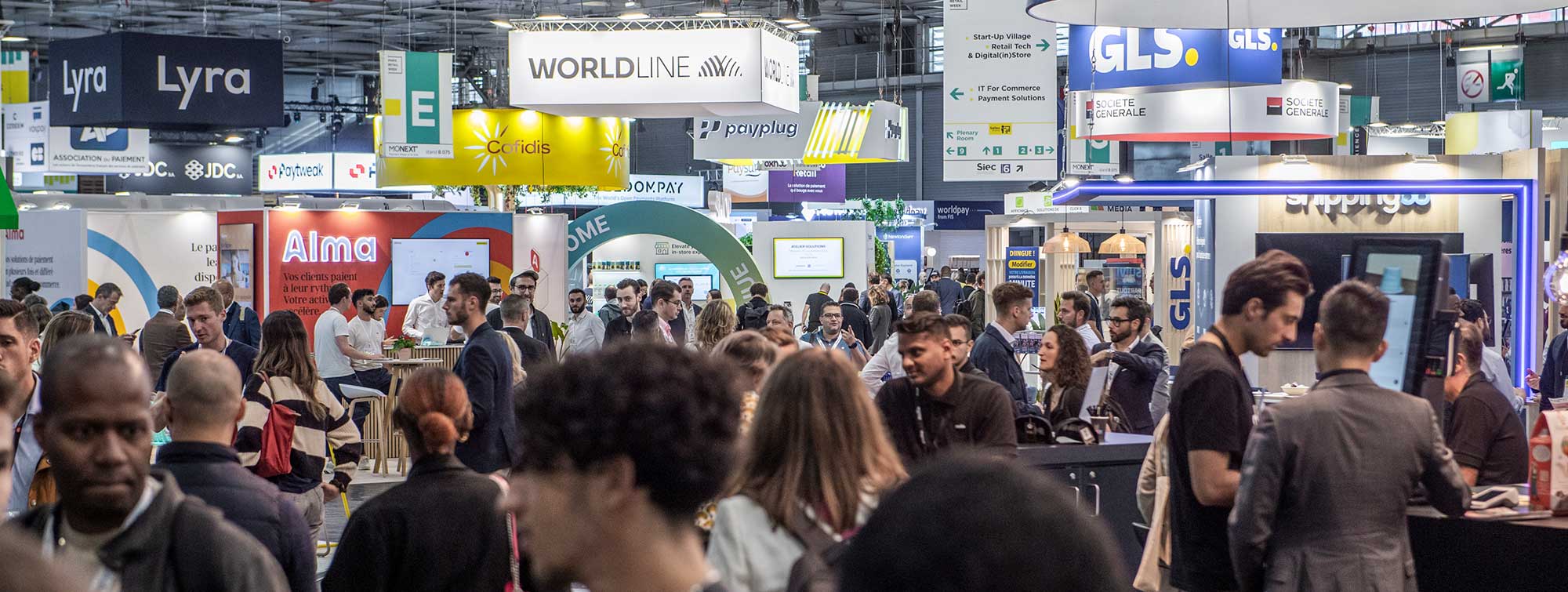
“I’ve spent 12 years at Instacart and in the U.S. we’ve become a very well recognised name so in Europe it feels slightly like those early days again as we build brand awareness and make retailers aware that they can use us either for the whole offer or for specific elements of our platform,” Hamburger says, speaking from the company’s Expo booth at NRF 2026: Retail’s Big Show Europe.
“It’s why events like NRF 2026: Retail’s Big Show Europe are so important, because it gives us the opportunity to introduce ourselves in-person and to find out about retailers’ pain points,” he adds.
As part of its expansion, Instacart has been on the acquisition trail. In April, Instacart agreed to acquire Colombian-based retail-technology company Instaleap, which operates in roughly 30 countries and has relationships with almost 100 grocery retailers and marketplaces outside North America, including European groups such as Jerónimo Martins, Continente and Spar.
More recently, Instacart acquired Dublin-based e-commerce platform Wynshop in 2025 and shelf-intelligence company Arpalus in 2026, extending its capabilities into retailer-owned commerce and store-based computer vision, monitoring on-shelf inventory.
“These companies bring additional elements to our enterprise offer. What retailers and customers want to see is a seamless brand experience, they don’t want to say they are shopping Carrefour online or Carrefour in-store, they just want to shop Carrefour,” Hamburger stresses.
“So a lot of our focus is on helping retailers manage that process and ensure that their customers experience that, because those consumer expectations continue to rise,” he reflects.
At NRF Europe, Hamburger says that achieving this “connected eco-system” is one of the key areas that retailers have been speaking about at the show, while there is also growing interest in the revenue opportunities around retail media.
“Grocery is a low margin sector and it’s no surprise that supermarkets should be looking at the possibilities of adding an extra revenue stream to their offer,” he says. “And we’re looking at ways we can assist with that incremental earning opportunity.”
And, of course, AI is on everyone’s minds. Hamburger segments this into two areas, how it can help retailers be more efficient in their operations and how it can help consumers.
“There is no doubt that there are efficiency opportunities, the key is how we make those scalable and that’s where we are seeking to help retailers,” he says.
“For consumers it’s about agentic AI – ours is called Clementine – and what that might mean in terms of recipe creation, finding gluten-free products, ideas for kids’ meals and so on. And also, shoppers want that to be seamless, so using the technology at home to bring to store so they don’t have to repeat actions.”
Instacart is bringing that message in person to Paris and Hamburger believes that from scanning stores for product inventory to smart carts and enterprise opportunities, connecting the dots will be crucial for Europe’s grocery retailers.